
The Hidden Connection: Inflammation and Your Mental Health
Discover how systemic inflammation influences mood, cognition, and emotional wellbeing. Explore the science behind the gut-brain axis and learn why addressing inflammatory markers matters for mental clarity.
Key Research Insights
of depression cases show elevated inflammatory markers in research studies
reduction in anxiety symptoms observed when inflammatory dietary patterns shift
of individuals report improved focus after addressing gut health and inflammation
correlation between chronic inflammation and mood dysregulation markers
Understanding the Inflammatory Pathway
The brain and digestive system are intimately connected through a bidirectional communication network known as the gut-brain axis. When inflammatory processes activate in the gut, signaling molecules can cross the blood-brain barrier and trigger neuroinflammation—a low-grade immune response within neural tissue.
This neuroinflammatory state disrupts neurotransmitter synthesis, impairs synaptic plasticity, and affects brain regions responsible for mood regulation, stress response, and cognitive function. Cytokines like TNF-alpha and IL-6, often elevated in inflammatory states, directly influence serotonin availability and dopamine signaling.
By understanding this pathway, we can identify dietary and lifestyle factors that either amplify or reduce systemic inflammation, thereby supporting mental clarity and emotional resilience from the ground up.
Learn More About This Connection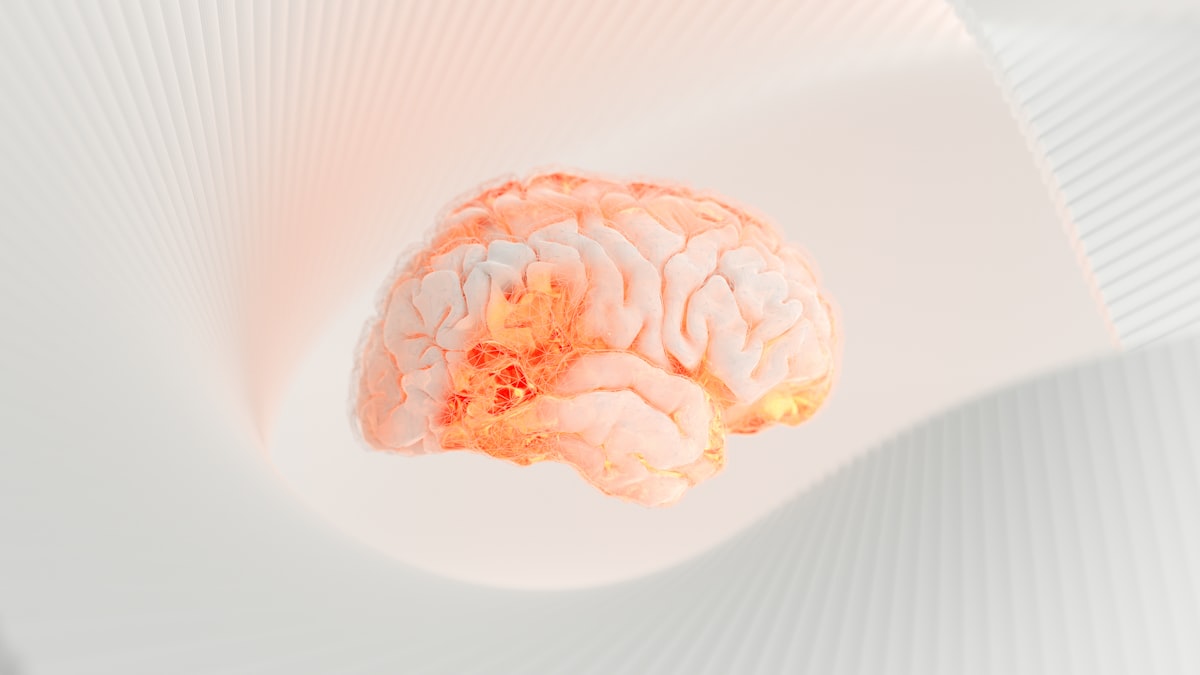
Common Questions About Neuroinflammation
What are the primary signs that inflammation may affect mental health?
Common indicators include persistent brain fog, difficulty concentrating, unexplained mood shifts, low motivation, sleep disturbances, and a general sense of mental fatigue. Some individuals also experience increased anxiety or irritability. These symptoms often coexist with digestive discomfort or changes in appetite, reflecting the gut-brain connection.
How does dietary inflammation differ from other inflammation types?
Dietary inflammation stems from food choices that activate the immune system or damage the intestinal barrier. Certain processed foods, refined sugars, and unhealthy fats trigger this response, whereas whole foods rich in antioxidants and fibre tend to calm inflammatory pathways. This dietary-driven inflammation accumulates over time and can significantly impact mental function.
Can nutritional approaches really influence mood and cognition?
Absolutely. The gut microbiome produces neurotransmitters and regulates inflammation levels. Foods containing omega-3 fatty acids, polyphenols, and fibre support beneficial bacteria and reduce inflammatory signalling. Many individuals report noticeable improvements in clarity, mood stability, and mental energy within weeks of adopting anti-inflammatory eating patterns.
Is the link between gut health and mental wellbeing scientifically established?
Yes. Decades of neuroscience research confirm bidirectional communication between the enteric and central nervous systems. Studies show that interventions targeting gut health—including dietary modifications and lifestyle changes—correlate with measurable improvements in mood and cognitive function. This is now a mainstream area of scientific inquiry.
What role does stress play in inflammatory responses?
Chronic stress elevates cortisol and increases intestinal permeability, allowing bacterial toxins to enter the bloodstream—a process called "leaky gut." This triggers systemic inflammation and amplifies neuroinflammatory signalling. Conversely, reducing stress through mindfulness, exercise, and sleep quality helps restore intestinal integrity and calm immune activation.
How long does it typically take to notice mental clarity improvements?
Individual timelines vary widely based on starting point and consistency. Some people notice mental clarity shifts within 1–2 weeks of dietary changes, whilst others require 4–8 weeks for significant cognitive or mood improvements. The key is viewing dietary and lifestyle adjustments as ongoing practices rather than quick fixes.
Signs of Inflammation Affecting Mental Wellness
Brain Fog & Cognitive Decline
Persistent difficulty focusing, memory lapses, and mental cloudiness are hallmark signs. These occur when inflammatory cytokines interfere with neural signalling and nutrient delivery to brain cells. Many find clarity returns when inflammatory triggers are addressed.
Mood Instability & Anxiety
Unexplained emotional reactivity, persistent low mood, or heightened worry may reflect imbalances in neurotransmitter synthesis. Inflammation reduces serotonin and dopamine availability, destabilizing the brain's chemical foundation. Addressing root causes often restores emotional equilibrium.
Sleep Disruption & Fatigue
Inflammatory states dysregulate circadian rhythms and melatonin production. Poor sleep quality compounds neuroinflammation, creating a vicious cycle. Calming systemic inflammation often leads to deeper, more restorative sleep and sustained daytime energy.
Low Motivation & Apathy
Loss of interest in activities and diminished drive often signal disrupted dopamine pathways. Inflammatory markers suppress reward-processing regions in the brain. Nutritional approaches that reduce inflammation tend to restore motivation and engagement.
Digestive Symptoms
Bloating, irregular digestion, and intestinal discomfort are direct markers of inflammation in the gut. This gut inflammation directly correlates with neuroinflammatory activity. Healing the digestive lining typically improves both physical comfort and mental clarity simultaneously.
Recurring Minor Ailments
Frequent minor infections, slow recovery times, and general malaise indicate immune system dysregulation. When inflammation dampens immunity, the body struggles to defend itself effectively. Reducing systemic inflammation strengthens overall resilience.
How Inflammation Impacts the Brain: A 4-Step Process
Dietary & Environmental Triggers
Processed foods high in refined sugars, unhealthy fats, and additives activate the innate immune system. Chronic stress, insufficient sleep, and exposure to environmental toxins further sensitize the immune response. Over time, this cumulative burden pushes the body toward a pro-inflammatory state.
Gut Barrier Dysfunction
The intestinal lining becomes compromised as tight junctions weaken, a condition sometimes called increased intestinal permeability. Bacterial lipopolysaccharides (LPS) and other pathogenic antigens enter the bloodstream, triggering a systemic immune alert. This fuels production of pro-inflammatory cytokines like TNF-alpha and IL-6.
Blood-Brain Barrier Compromise
Elevated circulating cytokines weaken the blood-brain barrier, allowing inflammatory molecules to penetrate neural tissue. Microglial cells—resident immune cells in the brain—become activated, releasing additional inflammatory mediators. This neuroinflammatory environment disrupts neurotransmitter synthesis and impairs synaptic communication.
Mental & Cognitive Symptoms Emerge
Brain regions responsible for mood, motivation, and cognition—including the prefrontal cortex and hippocampus—become less responsive. Serotonin and dopamine availability decline. Depression, anxiety, brain fog, and memory difficulties become noticeable. This stage is when most people seek answers. The good news: reversing inflammation at any step restores mental clarity and emotional balance.
Real Stories: People Breaking the Cycle
"I spent three years battling brain fog and unexplained anxiety. After learning about the gut-brain connection and shifting my diet away from processed foods, everything changed. Within six weeks, my mental clarity returned, and my anxiety dropped dramatically. I wish I'd understood this sooner."
Sarah Mitchell, Manchester
Content Manager
"I always thought my mood swings and low energy were just part of who I am. Learning that chronic inflammation was driving my emotional patterns felt like discovering the missing piece. Simple dietary adjustments have given me more stability than I thought possible."
James Porter, Birmingham
Software Engineer
"As a busy parent, I struggled with constant fatigue and irritability. Understanding that my gut health directly influenced my mental state was eye-opening. Small changes—adding more whole foods and reducing sugar—transformed my energy and patience with my kids."
Emma Foster, Leeds
Primary School Teacher
Ready to Explore the Inflammation-Mental Health Link?
Dive deeper into research-backed insights and discover how addressing inflammation can support your mental wellbeing. Browse our latest articles, explore frequently asked questions, and connect with our editorial team.
Have questions or feedback? We love hearing from our readers.
Send us a message